













HighFlyBet Login: Smooth Entry In Australia

In 2026, this Australia walkthrough shows how to sign in, pass checks, and keep your HighFlyBet account secure across devices.

Slot Fortune Gems 2

Table of Contents

  • The Dog House Megaways Slot
  • Lucky Joker 10 Extra Gifts Slot
  • Sword of Ares Slot
  • Floating Dragon Hold & Spin Slot
  • Leprechaun Riches Slot
  • Fruit Coctail Slot
  • The Dog House Megaways Slot
  • Sword of Ares Slot
  • Fruit Million Slot
  • The Dog House Megaways Slot
  • Fruit Box Slot
  • Big Fisherman Slot
  • Seven Books Unlimited Slot
  • HighFlyBet Fortune Slot
  • Sword of Ares Slot
  • Floating Dragon Hold & Spin Slot
  • 9 Mad Hats Slot
  • Floating Dragon Hold & Spin Slot
  • Big Bass Splash Slot

HighFlyBet Casino Login: What To Expect In 2026

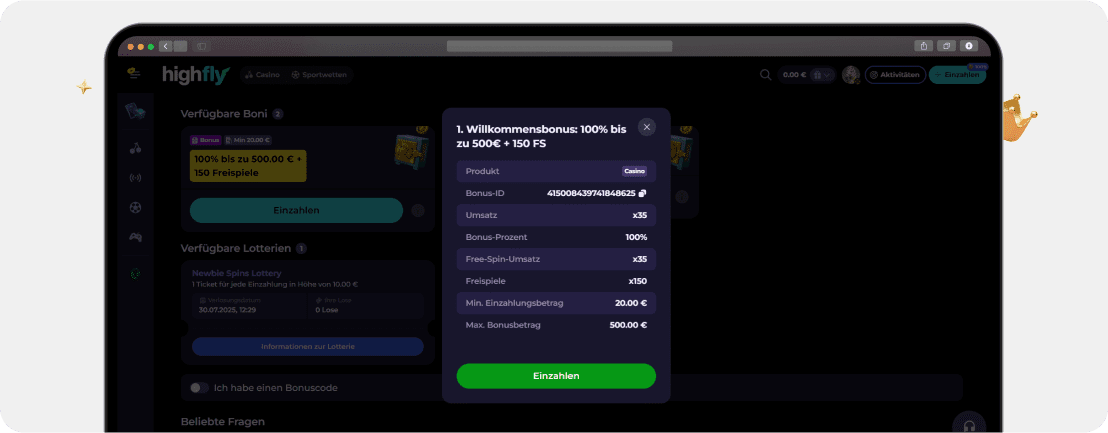
Signing in should feel like unlocking your own phone: quick, familiar, no drama. But gambling accounts hold money, personal details, and play history, so the front door can be stricter than a normal app. That does not mean it has to be confusing. It just means the platform may ask you to confirm who you are a little more often than you expect.
login 1

Picture this: you sit down after work, open the platform, and the sign-in screen looks slightly different than yesterday. You immediately think, “Great, something broke.” Often, nothing broke - your device updated, your network changed, or your last session expired. In other words, the system is doing exactly what it is supposed to do.

HighFlyBet is available in Australia for adults of legal age, and the experience is meant to operate within applicable rules and age requirements without turning every visit into paperwork. Still, you will occasionally see extra prompts that are there to protect your account. The trick is knowing which friction is normal and which friction is you accidentally creating a mess with repeated attempts.

Here is the mindset that saves time: one clean attempt beats five angry attempts. If you keep tapping and retrying, security systems often interpret that as suspicious behavior and add more checks. If you slow down, your sessions usually stay smooth.

When access fails, resist the urge to “solve it by force.” Instead, treat it like a mini checklist: connection, device, credentials, then support. You are not trying to be technical - you are trying to be consistent.

When Access Fails After An Update

Imagine you wake up, your phone has updated overnight, and now the platform logs you out. That can feel like a punishment, but it is often just a reset of stored session data. Close the app fully (not just minimize it), restart the device once, then try again with one stable connection.

If you updated your browser, the same thing can happen: cookies and session tokens get refreshed, and you have to sign in again. Players often make it worse by switching between two browsers and two networks at the same time. Keep one setup steady, and you will usually get a clear result quickly.

Now picture the opposite: you updated nothing, but you are trying to sign in while walking outside, your signal drops once, and the page reloads. The platform may ask for an extra check because it sees unstable behavior. The fix is boring but effective - stop moving, connect to a stable network, and complete the sign-in in one go.

login 2

Password, Codes, And Clean Sessions

Most sign-in problems are not “big.” They are small, repetitive, and easy to fix once you know what you are looking at. The usual culprits are autofill, stale browser data, private mode settings, and users who request too many codes in a row.

Picture a common evening: you tap the password box and your phone auto-fills something instantly. You hit submit without thinking, get rejected, and your stress spikes. Before you assume your account is locked, manually type your password once. That single step tells you if the issue is an old saved password or a real credential problem.

Another everyday scenario: you request a one-time code, it arrives late, and you request another one because you are impatient. Now you have two codes and both fail because only the newest one works. It feels like the platform is messing with you, but it is really your own rapid retries stepping on each other.

A clean session comes from small habits. Keep one browser as your “gambling browser” (no weird extensions, no constant privacy toggles). Avoid jumping between devices mid-login. And if you do change your password, update your password manager immediately so it stops feeding you the old one.

If you share your device with anyone, treat that as a separate risk. It is not about mistrust. It is about accidents: someone opens the app, taps something, and now you are dealing with a lockout you did not cause. A device lock and an app lock prevent most of that.

Two-Step Checks Without Getting Stuck

Imagine you are signing in on mobile data, your phone switches to Wi-Fi automatically, and the platform suddenly asks for a code. That happens because the system sees a change and wants confirmation. The fastest way through is to hold everything steady: choose one network, stay on it, then complete the code step.

If a code does not arrive, do not go wild with re-sends. Request one code, wait, then use the most recent message you received. If you keep requesting, you create a carousel of invalid codes and your frustration grows.

Here is a practical trick: when you request a code, put your phone down and do something small for one minute. Make tea, wash a cup, answer one text. That pause stops the “tap-tap-tap” spiral that usually makes the situation worse.

If you still cannot complete the check, contact support with details that matter: device type, approximate time, and what the screen shows. “It won’t let me in” is vague. “Code screen repeats after I enter the code” is useful.

Private Mode And Cookie Traps

Private browsing feels safe, but it can be unfriendly to sessions. Imagine you always use private mode, and every time you return, the platform forgets you, asks for extra confirmation, and you assume the platform is unstable. Often, the browser is refusing to store the session data needed for a smooth experience.

Try one simple test: sign in once using a normal browser session. If things suddenly stabilize, you have your answer. You can still protect privacy by logging out after play and keeping your device locked, rather than relying on private mode for everything.

Extensions and strict tracking blockers can also interfere. Picture a blocker that removes scripts automatically. If the sign-in button does nothing, it might not be the platform - it might be your browser stripping something required for the security layer. Using a clean browser profile (minimal add-ons) often solves it fast.

HighFlyBet Registratie: Registering Without Rework

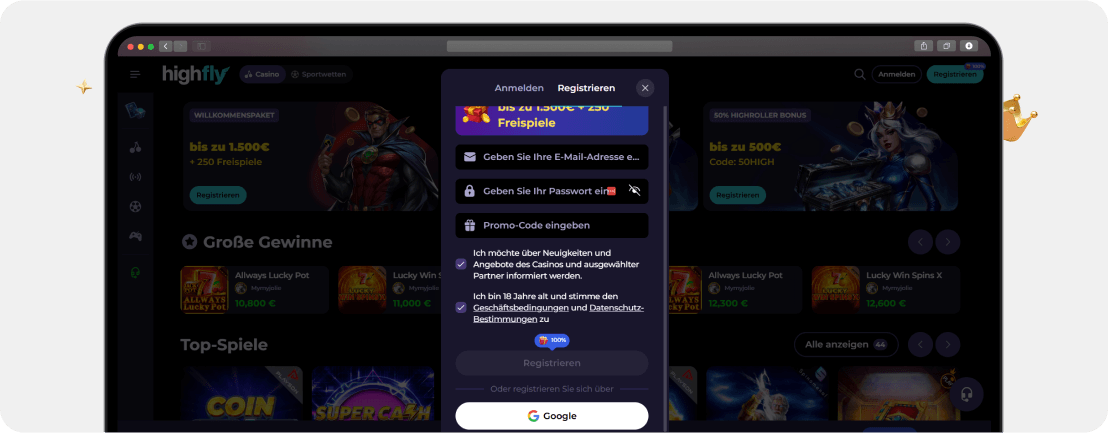
Registration is where most people create future problems. Not because they are careless people, but because they are in a hurry. They want to get to the fun part, so they rush through forms, accept prompts without reading, and tell themselves they will “fix it later.” Later is usually the worst time to fix anything.

login 3

Imagine you register while multitasking, typing with one thumb, half-watching a video. You miss a character in your email address. Everything seems fine, until you need to reset your password and nothing arrives. Now you are stuck, annoyed, and tempted to create a second account. That is how small mistakes become big delays.

Do the simple things carefully once. Use an email you actually access daily. Use a phone number you control long-term. Pick a password you do not reuse anywhere else (not because you are paranoid, but because reused passwords are how accounts get compromised).

Then, take two minutes for recovery. Add recovery options while you are calm, not while you are locked out. If the platform offers backup codes, store them somewhere safe. If it offers security questions, answer them carefully, not with jokes you will forget.

Now the part people skip: set your personal limits before you deposit. Imagine you are in a good mood and you tell yourself “I’ll just play a little.” Two hours later, your mood changes and your decisions change with it. Limits stop that drift. They are not a lecture. They are a tool for you.

If you are in Australia, keep in mind that platforms may require age confirmation and identity checks for adults of legal age. That is not a “random obstacle,” it is standard protection. Treat it like airport security: annoying when you are late, smoother when you arrive prepared.

Finally, treat your first session like a test drive. Deposit a modest amount, play briefly, check your transaction history, then exit. You are not proving anything to anyone. You are making sure the flow works for your own device and habits.

Verifying Details And Keeping It Adults-Only

Verification is the part players complain about most, usually because they meet it at the worst time: right when they want a withdrawal. If you handle it early, it becomes a normal step instead of a stressful surprise.

Picture this: you finally have a good run, you decide to cash out, and the system asks for identity confirmation. You feel punished, like the platform is slowing you down on purpose. In many cases, the request is triggered because it is your first withdrawal, you changed something in your profile, or you are using a new device. The solution is simple: complete the steps carefully, once.

The goal is not to make your life hard. The goal is to reduce fraud and to ensure the account belongs to an adult of legal age. In 2026, most platforms do this with a mix of document uploads and automated checks. Your job is to make those checks easy to complete.

If you are unsure about a prompt, pause. Guessing can cause more delays than asking one clear question. A calm, deliberate approach is faster than a frantic one.

Identity Checks In Plain Language

Imagine you take a photo of a document at night, under a yellow lamp, with glare across the text. The system cannot read it, you get rejected, and you feel like the platform is being picky. Usually, it is not picky - it is blind. The fix is boring: good light, no glare, all corners visible, and a steady hand.

Also, avoid heavy edits. Cropping is fine if it keeps everything readable, but filters and “beauty” adjustments can make text less clear. If the platform asks for both sides of a document, upload both sides in the way it requests, not in the way that feels convenient.

Why Name Matching Matters

Picture a small mismatch: you entered “Sam” during registration, but your payment method shows “Samuel.” Later, your withdrawal gets flagged for review because the system cannot confidently match the owner. This is not personal. It is the platform refusing to guess.

The best habit is consistency. Use your real details as they appear on your documents and payment method. If you must change something later, do it calmly and expect that any change may trigger another verification step.

When You Should Pause And Ask Support

Imagine you are in the middle of uploading documents and you see a message you do not understand. You click back, reload, try again, then change your profile details out of frustration. Now the account looks like it is being edited rapidly, and the system becomes even more cautious.

In that moment, stop changing things. Take a screenshot for yourself, note what you were doing, and contact support with one focused question. One clean question often saves an hour of trial-and-error.

Deposits, Withdrawals, And The Cashier Flow

Money movement is where players lose the most time because they bring emotions into it. The cashier is not a game. It is a process. Treat it like checking out at a store: verify the amount, confirm the method, and wait for a clear confirmation before you try again.

Imagine you deposit and nothing appears immediately. You feel tension rising, so you deposit again. Now you have two pending attempts, and you are more stressed than before. A better routine is simple: deposit once, check transaction history, wait a moment, then refresh. Impatience creates messy histories.

Withdrawals follow the same principle. Choose a method you can reliably access, confirm the details carefully, and avoid changing profile information while a request is in progress. Small edits can trigger additional checks, and the platform may pause the withdrawal until everything matches.

The first withdrawal is often the slowest because it may require verification. After that, the process typically becomes more predictable, as long as you keep your details consistent and avoid risky behavior like constant device switching.

Here is a practical table that keeps the cashier routine clear without using jargon.

АWhat You Want To Do

What You Check Before Tapping Confirm

What Usually Slows People Down

A Practical Habit That Helps

First deposit test

Bank approvals and method details

Retrying too fast

Start modest, confirm in history

Repeat deposits

Limits and current budget

Topping up on impulse

Set a deposit cap ahead of time

First withdrawal

Profile matches payment method

Incomplete verification

Prepare clear document photos early

Follow-up on a payout

Status changes and required steps

Submitting duplicates

Wait, then ask support once if needed

Budget control

Reminders and session limits

Losing track on mobile

Use reminders and planned stop points

Now picture a real-life moment: you are rushing, you want to withdraw, and you type your payment details too quickly. One digit wrong can turn a simple request into a long support conversation. Slow down at the cashier. That extra thirty seconds is usually worth it.

Also, keep a record mindset. You do not need spreadsheets. You just need the habit of checking your transaction history after any important action. It is your receipt, and it keeps you grounded.

Mobile Access, Notifications, And Session Limits

Mobile play is convenient because it fits into your day. That is also what makes it risky. You can open a session anywhere, anytime, and it is easy to slip into autopilot.

Imagine you open the platform “just to check something” while waiting in line. The game loads fast, your thumb is already tapping, and suddenly you are deeper into a session than you planned. This is why limit tools matter. They interrupt the drift.

Start with a simple ritual: before you play, decide your time window and your spend cap. Not in your head, but in the settings if possible. A cap you set while calm is more reliable than a promise you make while excited.

Notifications are another hidden trigger. If promotional pings keep pulling you back in, turn them off. Keep only account and security notifications. Entertainment should be a choice, not a reflex response to a buzz in your pocket.

Device security matters too. If your phone is shared or you leave it unlocked at home, add an app lock or rely on biometrics. Imagine a friend picks up your phone to change music and accidentally opens your gambling app. Accidents happen. A lock prevents them.

Timeouts, Self-Exclusion, And Cooling-Off Tools

Everyone has sessions where judgment gets fuzzy. Picture you lose a few rounds and your brain starts negotiating: “One more, then I stop.” That is the moment to use a cooling-off tool, not the moment to “prove” you can control it.

Timeout options exist so you can step away when play stops feeling optional. If you notice chasing behavior, stress, or secrecy, take a break seriously. A pause protects both your budget and your head, and it is often the healthiest decision you can make in the moment.

Support Messages That Get Answers Fast

Support can be helpful or painfully slow, depending on how you approach it. The fastest outcomes happen when you send one clear message with useful details, instead of ten messages that drip information slowly.

Imagine you write “it doesn’t work” while you are annoyed. The agent has to guess what “it” means: sign-in, deposit, verification, game loading. Compare that to: “After resetting my password, the app returns me to the sign-in screen on Android, started after today’s update.” That gives support something real to investigate.

Before you contact support, do a quick self-check that solves many problems: restart the device, switch networks once, and confirm your phone date and time are set automatically. These steps fix more issues than people want to admit, and they keep your support ticket clean.

When you do contact support, keep your message calm and structured. Provide device, network type, and the approximate time the issue happened. If you have an error message, include it. Avoid changing five things while waiting for a reply, because then you will not know what actually fixed the problem.

Finally, remember the platform is intended for adults of legal age. If you feel gambling shifting from entertainment to pressure, reach for the responsible play tools early. It is easier to step away before frustration takes over.

FAQ

Use the reset flow linked to your recovery email or phone and request one code at a time. Wait for the newest message, complete the change in one clean attempt on a stable connection, then fully close and reopen the app so the session starts fresh. If a password manager is involved, update it immediately so it does not keep filling an old credential.

Avoid repeated re-sends because newer requests can invalidate earlier codes and keep you stuck. Give it a short wait, then enter only the most recent code you received. If nothing arrives, check signal strength and inbox filtering, try once more calmly, and contact support with the exact time and the channel you used so they can trace the delivery.

Loops are often caused by stale session data, private mode restrictions, or a network switch mid-attempt. Close the app completely, restart your device, and try again using one stable connection without toggling settings while signing in. If you are using a browser, clear site data for that session or try a clean browser profile once to isolate the cause.

Set deposit or loss limits before you play and use session reminders to interrupt autopilot. Decide a stop point in advance (time or budget) and treat it like a rule, not a suggestion. If you notice chasing behavior or stress, use a cooling-off tool and step away until you feel neutral again, because calm decisions protect you best.

Have your device model, operating system version, network type, and a short timeline of what you did and what happened instead. Include the exact on-screen message or describe the behavior clearly, plus the approximate time it occurred. Keeping it factual and specific helps support act faster and reduces back-and-forth questions.

You can, but frequent changes in network or location can trigger extra security prompts because the system tries to protect the account. If you plan to play, keep one connection stable during sign-in and avoid changing profile details while a transaction or verification step is in progress. If prompts appear, complete them calmly and continue only after the session is stable.

Use it when gambling stops feeling like entertainment and starts feeling like pressure, frustration, or chasing. If you cannot stick to your own limits, or you keep returning after deciding to stop, a break tool removes the need for willpower in the heat of the moment. A short pause can reset your head, and a longer break can protect you if play has become stressful.