













HighFlyBet Esports In Australia

A practical 2026 look at HighFlyBet for Australia: how you place bets, manage limits, and move money without stress.

Slot Fortune Gems 2

Table of Contents

  • The Dog House Megaways Slot
  • Lucky Joker 10 Extra Gifts Slot
  • Sword of Ares Slot
  • Floating Dragon Hold & Spin Slot
  • Leprechaun Riches Slot
  • Fruit Coctail Slot
  • The Dog House Megaways Slot
  • Sword of Ares Slot
  • Fruit Million Slot
  • The Dog House Megaways Slot
  • Fruit Box Slot
  • Big Fisherman Slot
  • Seven Books Unlimited Slot
  • HighFlyBet Fortune Slot
  • Sword of Ares Slot
  • Floating Dragon Hold & Spin Slot
  • 9 Mad Hats Slot
  • Floating Dragon Hold & Spin Slot
  • Big Bass Splash Slot
live 1

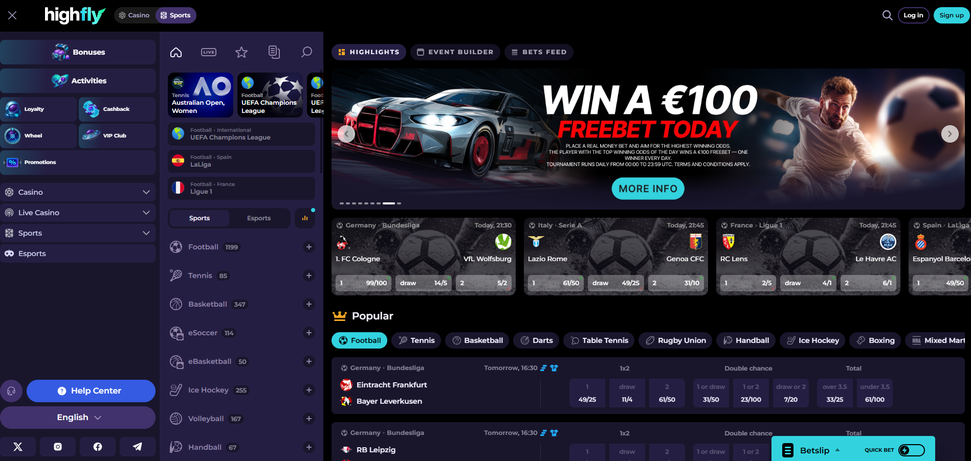
HighFlyBet Sports And Matchday Prep In Australia

A good betting session usually starts before the whistle. Picture this: you sit down to watch a match, open the platform, and realize you do not even know where the markets you like are hidden. The simplest fix is to build a tiny pre-game routine so you are not making decisions while your brain is already chasing highlights.

Start with the event page and scan it like a checklist. You are not “shopping odds,” you are confirming the basics: competition, start time, available market groups, and whether there are any obvious restrictions or prompts that require extra taps. If anything feels confusing, pause there, because confusion is what leads to accidental selections later.

A common 2026 scenario is watching on one screen while doing everything else on your phone. If you are multitasking, use fewer markets and simpler bet types, at least at first. Most players do better when they can explain the bet in one sentence, not three paragraphs.

Because HighFlyBet is available in Australia for adult users, it makes sense to treat the experience as age-restricted entertainment that should stay within applicable rules and your own limits. That is not moralizing, it is just practical. The more predictable your routine is, the less likely you are to click something you did not mean to click.

Markets That Make Sense When You Are In A Hurry

Imagine you have two minutes before kickoff and your chat is spamming “last chance.” In that moment, you want markets you can read quickly and verify twice without stress. Many people default to simple outcomes and totals because the settlement logic is straightforward and the slip is easier to review.

Try a quick habit: before you add anything to the slip, read the market label out loud (quietly is fine) and ask, “What must happen for this to win?” If you cannot answer in a clean sentence, skip it. Speed feels good, but clarity pays better over time.

Reading Odds And Settlements Like A Checklist

Picture a player who thinks they found value, taps fast, and later realizes the selection was for the wrong period or a different team line. That mistake is avoidable if you treat every bet like a mini-form you are signing. Double-check the event, the market, and the time frame, then confirm the stake.

In 2026, the smartest habit is not “more research,” it is fewer assumptions. If the platform shows a confirmation screen or a receipt, use it as your final review point, not as a speed bump.
HighFlyBet Sports Betting And Clean Bet Slips

A clean slip is the difference between “I chose this” and “I ended up with this.” Imagine you are watching a match, placing one bet, and everything feels calm. Then you add a second selection, your slip changes type, and suddenly the risk profile doubles without you noticing. That is not bad luck, it is slip hygiene.

live 2

Start by deciding what you are building before you tap. One single wager? A small combo? A sequence of separate singles? Make the plan first, then use the slip to execute it. When you do it the other way around, the slip becomes the plan, and that is when mistakes happen.

Another real-life pattern: players place bets while emotionally “up” or “down.” After a win, it feels tempting to press again. After a loss, it feels tempting to “fix” the session. The platform will happily accept both moods, so you need a rule that protects you from your own momentum. A simple one is to cap the number of bets per match, not just the amount per bet.

If you want a practical routine that works in 2026, do this: decide a session budget, a maximum stake per wager, and a hard stop point before you open any markets. Then set the limit tools early, while you still feel neutral. When you wait until you are heated, your future clicks get sloppy.

Also, do not confuse entertainment with certainty. Betting markets move, matches swing, and results can hurt. The goal is not to eliminate risk, it is to choose risk on purpose, with adult-only control and within applicable rules and personal boundaries.

Singles, Parlays, And The Two-Second Review

Picture two players. One places three singles and can describe each one clearly. The other stacks three selections into one combo because it looks exciting, then forgets the first selection even exists. When things go wrong, the first player can adjust calmly. The second usually spirals, because the slip feels like a mystery box.

Use the two-second review before confirming any bet: number of selections, stake type, and potential return. If you do nothing else, do that. It prevents the most common accident - placing a different bet than the one you intended.

In-Play Triggers Versus Impulse Clicks

In-play moments can feel like a slot machine for your attention. Imagine you see a big chance, odds shift, and you want to tap before it disappears. Instead of chasing every movement, pick one or two triggers that you understand: a red card, a visible tactical change, a momentum swing you can actually see, not just “the chat says so.”

A useful trick is to slow down by one breath. Seriously. One breath, then decide. If the market disappears during that breath, it was never meant to be part of your plan.

Cashout Decisions Without Chasing

Sometimes you will see an option to lock in something early. Picture a player who keeps “securing” tiny outcomes and feels busy but not satisfied, versus a player who only uses early settlement when it fits their original logic. Your rule can be simple: do not use early settlement as a way to escape anxiety. Use it as a tool when the match state changes enough that your initial bet is no longer the bet you would place now.

Using HighFlyBet Live Without The Rush

Live markets are exciting because they compress time. Imagine you are watching a match and placing a bet while the camera angle changes and the commentary gets loud. The platform is not your enemy here, but your timing can be. The more rushed you feel, the more you should simplify.

live 3

A good approach is to build a “one-market lane.” Pick one market category you will use in-play, and ignore the rest for that match. When you try to chase three categories at once, you end up placing bets you cannot even remember five minutes later.

Also, watch for your own fatigue. In 2026, most people bet while multitasking, not while sitting in silence. If you are switching between apps, your best defense is fewer bets with cleaner reasoning.

Latency, Suspensions, And Staying Calm

Suspensions happen. Picture this: you tap confirm, the market pauses, and you feel your thumb hovering like it is about to solve physics. The calm move is to stop tapping and read what the interface says. If you are unsure whether the bet placed, check your bet history instead of re-submitting.

If you notice you are getting irritated, step back for two minutes. That small pause often saves an expensive chain reaction of impulse wagers.

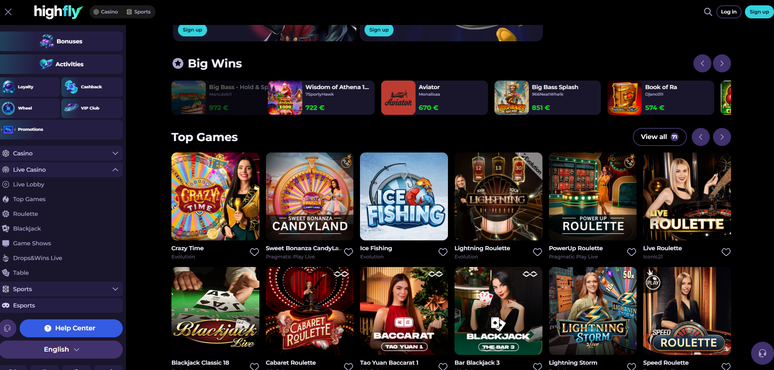
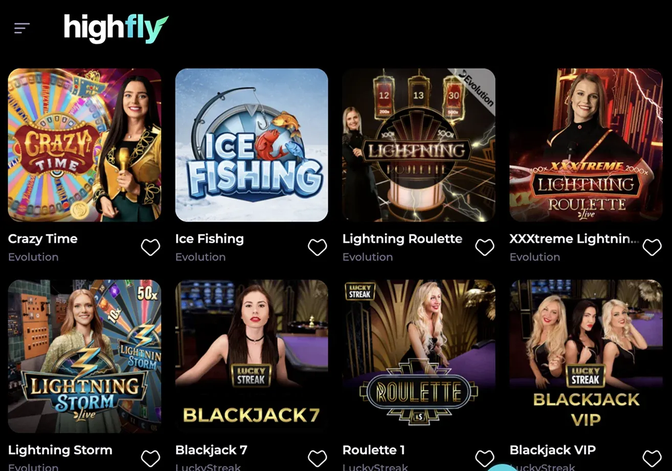
Live Dealer Tables: What The Session Feels Like

Live dealer play is not about speed, it is about rhythm. Imagine you open a table, the chat is moving, the dealer is mid-round, and you feel pressure to place a bet immediately. You do not have to. Watch a round or two, learn the pace, and only then join with intention.

Treat the first minutes like scouting. Check table limits, confirm the control buttons are where you expect them, and make sure you know how to leave the table cleanly. Many players lose money not because the game is unfair, but because they mis-click chips while still learning the interface.

If you want a steady experience, build a simple rule: fixed stake size for the session. No doubling because you “feel it,” no sudden jumps because the table looks hot. A stable stake size keeps your decisions boring, and boring is good when the visuals are designed to pull your attention.

One more realistic point for 2026: live dealer sessions can stretch longer than you planned. Ten minutes becomes forty. If you are the type who loses track of time, set a timer before you sit down, not after.

Table Etiquette, Chat, And Pace

Picture a player who tries to chat, bet, and track results at the same time, then misses the betting window and panics. The interface rewards calm hands. If chat distracts you, ignore it. Your goal is not to be social, your goal is to keep your actions clear and deliberate.

Limits And Reality Checks Mid-Session

Imagine you have been at a table for a while and you feel the urge to increase stakes “just to make it worth it.” That is a classic moment to use a reality check: stand up mentally, check your balance, and confirm your original session plan. If the platform offers timeouts or cooling-off options, use them when you notice that urge, not after it wins the argument.

A practical habit is to break sessions into small blocks. For example, decide you will play for a fixed time, then stop and reassess. This keeps the session from turning into an unplanned marathon.

Esports Hub: Following Series, Not Hype

Competitive gaming betting feels different because the community reacts instantly. Picture a situation where a roster rumor spreads, odds move, and your group chat starts shouting like it is a certainty. That is exactly when you should slow down and ask, “Do I actually know what changes the outcome here?”

A better approach is to focus on what you can verify through match structure. Format matters. Map pool matters. Even your own viewing habits matter. If you do not watch the game, you will be tempted to bet on vibes, and vibes are expensive.

Also, keep stakes sensible. Esports can swing fast, and fast swings invite fast mistakes. In 2026, discipline often looks like boring stake sizing and selective betting, not constant action.

Formats That Change Everything

Imagine you think you are betting on a single map, but the match is a series with different rules than you assumed. That misunderstanding is more common than people admit. Always confirm the format, the number of maps, and what “win” means for the market you choose.

If you want fewer headaches, stick to markets you can explain clearly. Simplicity is not a lack of skill. It is control.

Notifications And Calendar Thinking

Picture yourself opening the platform late and seeing an event already mid-series. Your brain wants to jump in. Instead, treat esports like a calendar: plan the events you care about, decide your max number of bets per series, and avoid entering late unless you truly understand the state of play.

A small trick that helps is to write down your reason before you bet. One sentence is enough. Later, you can review whether your reason was solid or emotional.

Deposits, Withdrawals, And Verification Rhythm

Money flow should feel predictable. Imagine you win, feel good, request a payout, and then start refreshing every minute like you are trying to force reality to load faster. That habit makes people anxious and more likely to make a second mistake, like changing methods mid-request.

In 2026, the best approach is to treat the cashier as a process with stages. You add funds, you place bets, you request a payout, and you track status. If a prompt appears asking you to confirm identity details, treat it like routine adult-only gatekeeping and account security, not a personal attack.

A common mistake is method hopping. Players deposit one way, then try to withdraw another way immediately, then message support in frustration. The smoother path is usually consistency: use one primary method early, keep your profile details aligned, and only experiment after you have completed one full cycle successfully.

Below is a practical table focused on actions and expectations. It avoids promises because timing depends on method and checks, but it still helps you avoid the usual traps.

Step

What You Do

What You Should Confirm

Why It Matters

First Add-Funds Test

Choose method and small amount

Receipt shows correct amount and currency

Builds confidence before bigger stakes

Payout Request

Select a linked destination

Name and details match your profile

Reduces repeat checks and delays

Status Tracking

Read the request status screen

Timestamp and reference info

Stops you from double-submitting

Method Consistency

Keep one primary route early

Same method for deposits and payouts when possible

Lowers friction in the process

Account Checks

Complete prompts when calm

Documents and details are consistent

Makes future payouts smoother

Support Contact

Send one clear message

Include what you tried and what screen says

Shortens back-and-forth

Now, imagine you do everything cleanly and the request still feels stuck. Your next move should be calm diagnostics: check whether any extra confirmation step is waiting, verify you did not switch methods mid-request, and review your transaction history for updates. Only then contact support with a short, structured message.

One more adult-only habit that helps: do not treat withdrawals as part of the adrenaline. Treat them as admin. When you separate “play” from “cashier,” you make fewer mistakes and feel less stressed.

Mobile Use, Support, And Responsible Tools

Most people in 2026 use betting platforms on mobile more than they admit. Picture you are in a queue, one hand on the phone, notifications popping, and your attention split. That is not the ideal moment for complex bets, so your setup should protect you: quick access to bet history, clear confirmation screens, and limits you set in advance.

Mobile comfort is also about stability. If your connection is shaky, choose simpler actions. Place fewer bets. Avoid last-second taps. If you are not sure whether something went through, check history instead of repeating the action.

Support matters most when you are frustrated, which is why your message style matters. A vague “it’s broken” message usually gets a slow, generic response. A clear message gets a checklist, and checklists solve problems.

Responsible tools are the quiet hero here. Timeouts, self-exclusion options, and deposit limits are not for “other people.” They are for the moment when you are tired, irritated, or tempted to chase. Since HighFlyBet is used by adults in Australia, treating these tools as normal is part of keeping play within applicable rules and personal boundaries.

Support Messages That Get Answers

Imagine you are the support agent reading hundreds of tickets. Which message would you answer faster: a rant, or a short note that says what happened, when it happened, what device you used, and what you already tried? Keep it simple. State the issue, list two steps you tried, and include the exact wording of any on-screen prompt.

This approach also protects you. When you write clearly, you think clearly, and you avoid making a second mistake while waiting.

Timeouts, Self-Exclusion, And Adult-Only Play

Picture a session where you keep saying “one more” but you cannot explain why the next bet is a good idea. That is the moment to stop, not to negotiate with yourself. Use a timeout. Take a break. Come back only if you still feel calm and in control.

If you notice a pattern that worries you, consider a longer break or self-exclusion. Those tools exist so you can make a decision once, while you are clear-headed, instead of battling the same impulse every night.

FAQ

Pick an amount you would not regret losing and treat the first session as a test of the interface, not a mission to profit. Imagine you are learning where confirmations appear, how history is displayed, and how quickly you can exit a market without mis-clicks. Set a hard stop time, stick to one or two simple bet types, and end the session while you still feel in control.

Do not tap again out of panic. Picture a moment where the screen lags and your thumb wants to “fix” it by double-clicking, which can create duplicates. Instead, open your bet history, check timestamps and selections, and only act after you see a clear record. If there is still uncertainty, contact support with the exact time and what you saw on screen.

Use a quick routine before confirming: count selections, confirm bet type, and re-read the market labels once. Imagine you added one extra selection while scrolling and did not notice the slip changed behavior. That two-second check is often the difference between a planned single wager and an unintended high-risk combo.

Do it when you are calm, not right after a big win or loss. Imagine you are excited and rush through prompts, then later discover a small mismatch in your details that triggers repeat checks. Completing verification steps early makes payouts and account changes smoother, and it reduces stress during the moments you actually care about.

Decide your triggers before the match starts and cap the number of in-play bets per event. Picture the chat screaming for action while odds flicker, then you place three bets you cannot explain later. Slow down by one breath, only bet when the trigger is clear, and stop when you hit your planned limit for that match.

Watch a round or two before betting, set a fixed stake size, and use a timer so the session does not stretch longer than planned. Imagine you join mid-round, place chips fast, and then realize you did not understand the pace or limits. A calm start and consistent stakes keep the session controlled and reduce mis-clicks.

Use it the moment you notice chasing, irritation, or repeated “one more” thoughts that you cannot justify logically. Imagine you are no longer making choices, you are reacting to mood swings. A timeout creates a clean break, and self-exclusion is a stronger option if you see a pattern that keeps repeating.